I sold my soul to the Gacha Gods for a PNG
Loot boxes, hats and skins
Did someone say hats??
The story of gambling in video games has a long history that I’m sure you can google if you care about it but my first exposure to the idea of praying for a chance of getting a cosmetic accessory was in Team Fortress 2 (TF2).
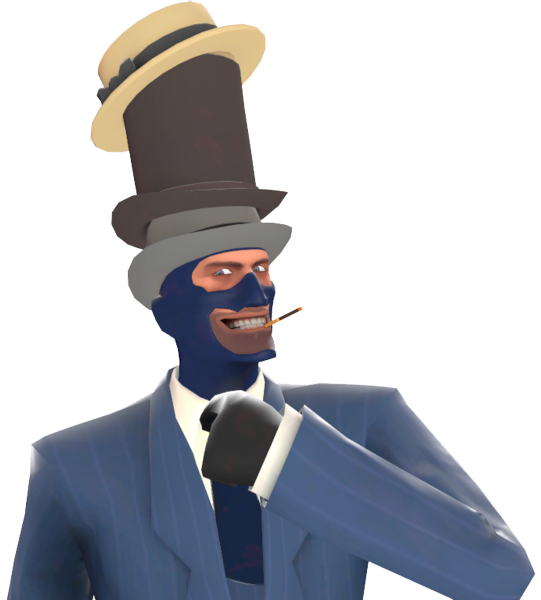 The aptly named Towering Pillar of Hats hat
In the case of TF2, everyone was obsessed with donning a stylish hat. From the outside, it probably looked like a ridiculous display to have characters engage in a deathmatch while all sporting various headwear that ranged from a broken viking helmet to a towering pillar of hats. But within the community, having an unusual hat, some of the rarest hats in the game was a sign of prestige.
Unusual quality items have special particle effects attached to them, and are considered to be some of the rarest items in Team Fortress 2.
How were the rarity of hats enforced?
Well, allow me to introduce you to the loot box. Loot boxes are a time-honoured tradition that has persisted in games throughout the ages. They allow players to have the chance to unlock items that aren’t available when starting the game. This can range from additional weapon types which can influence their playstyle to, and more importantly, cosmetic items like hats.
In TF2, loot boxes had two components: supply crates which could be earned by playing the game and keys which were used to open the crates and could be purchased using real world currency. Opening a loot box would give you a fraction of a percentage chance of gaining a hat and so, there we have it. Hats were incredibly rare because you not only had to purchase keys which could cost a few dollars each, but you had to purchase enough keys to ensure that you actually had a good chance of getting a hat, let alone the hat you wanted.
Now this looks a lot like gambling to the untrained eye, but it’s all fun and games. After all, you were just rolling the dice for a rare item in a game.
The hat economy
Without the ability to trade hats, hats would simply be a rare item without a dollar value to pin down exactly how valuable they were. It’s good then that Valve, the creators of TF2, also made mechanisms that allowed players to trade hats, creating an in-game economy where you could trade a viking helmet for two baseball caps. Now there was a form of bartering in the game, where entrepreneurial players could potentially turn a profit by jumping between trading server to trading server, buying items for a low price and reselling them at a markup.
However, bartering is a little murky in terms of determining a precise dollar value. Luckily, Valve also created a marketplace where players could sell their hard earned items for real world currency. At last, the world was made right once again.
How expensive could these hats get anyway?
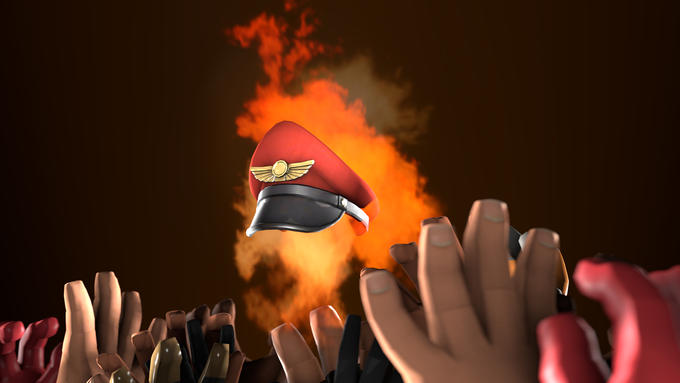 Worship the Burning Team Captain
Allegedly, thousands of dollars for a Burning Flames Team Captain which sold for around $2.30 AUD, resulting in a bill with a total damage of about $15,180 AUD. So, some people were a little more invested in the hat economy than I was, which is good because I was a dirt broke highschool student.
Gun and knife skins
Another successful game by Valve which sucked me in during my troubled youth was CS:GO, a first person shooter (FPS) that introduced loot boxes that gave players the chance to customise the look of their guns and knives through skins. Knives in particular, were almost completely useless in the game, but their skins had a similar level of value to hats in TF2. In my professional opinion, the gaming industry’s move from hats to gun and knife skins was a regression but it seems like the community did not agree with me.
One of the most expensive knives in CS:GO, was allegedly a variation of the Karambit knife which was sold for around $15,000 USD:
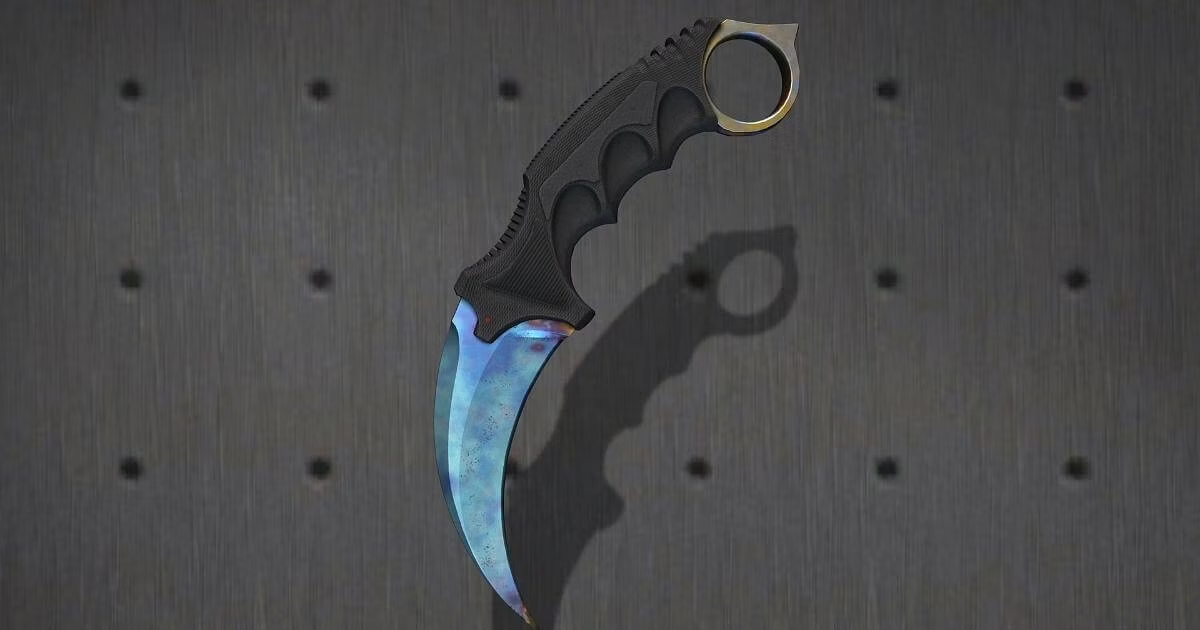 Karambit Knife
Another knife variation of the Karambit allegedly had an offer of 1.2 million USD in bitcoin but it is hard to tell if that would reflect the true market value of such a knife given how rare it is at approximately 1 in 371,000,000.
Valorant, in many ways, the successor to CS:GO for the FPS community, has followed in CS:GO’s footsteps by introducing knife and gun skins. Unfortunately, I have not played Valorant so I cannot comment on the prestige of knives in the community. Thankfully, Riot, the creators of Valorant, made cosmetic addons like knife skins directly purchasable so that players wouldn’t have to pour their life savings into yet another FPS. This is a blessing because players were probably too busy trying to plug the hole in their wallet from all the mobile games they were playing.
Mobile games
Microtransaction hell
Computer games were not the only place which saw the rise of ideas like loot boxes. With the increased ownership of smart phones in the early 2010s, mobile games became a popular new avenue for developers due to their accessibility. Many mobile games introduced microtransactions which could expedite in-game actions that could take several real world days to complete, and some introduced “loot box”-like mechanics.
A common mobile game pattern would be starting players off with a lot of freedom and enough resources that they could build up their restaurant, house or army. The early building blocks would only take a few seconds to finish creating and so players could rapidly iterate. After a few hours, the player would be restricted because they might only have a limited number of energy points that they could use every day, or they reached a stage where each new building block took several hours to finish creating. So, when players were offered the opportunity to exchange real world currency for in-game currency that could be used to unblock their progress, some players chose to do so.
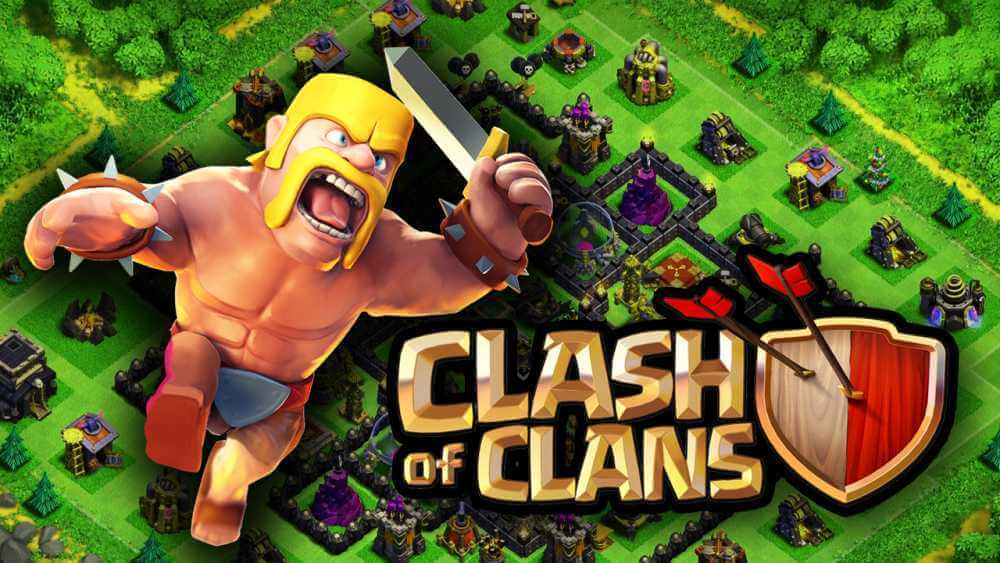 Clash of Clans
Clash of clans was a prominent example of a game which excelled at mining player time and money using these techniques. Players built bases and raised armies to attack the bases of other players. Bases were composed of buildings which could be used to defend a base or train better troops and constructing a building required resources and time. While it may have taken a few seconds to build something in the early game, it could take days later on. Similarly, armies were used to attack other players and since the troops were expendable, new troops needed to be trained at the cost of time. Players could either treat Clash of Clash as a casual game that they checked in on occasionally as their buildings finished construction or as a faster paced game involving real world currency to speed up the gameplay loop.
The long wait between possible actions detered many players from playing these kinds of mobile games actively or playing them all together. I, for one, always ended up dropping them after a few weeks. However, mobile games were cheap and lucrative enough to develop that they quickly became a plague with hundreds of copycat mobile games flooding the Android and Apple App Stores. Within the gaming community, mobile games gained a terrible reputation for being low quality money traps which was probably accurate at the time. In this context, it is easy to see how loot box mechanics could be introduced, given that mobile game players were already exposed to the idea of microtransactions.
Gacha games
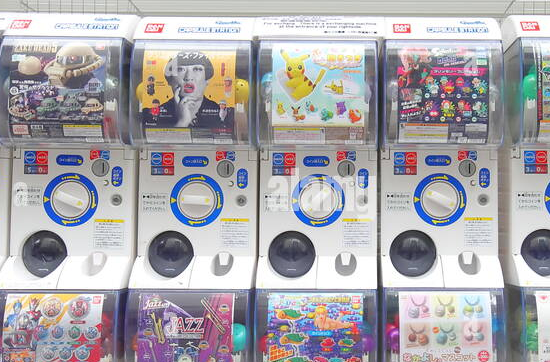 Gacha capsule vending machine
A type of mobile game that became notorious for their “loot box”-like mechanics were gacha games. Based off of the gacha capsule vending machine, Japanese gacha game adopted the idea of allowing players to roll for a chance of getting rare items and characters. In their infinite wisdom, the gacha games creators, for the most part, skipped the idea of having to gain loot boxes and instead, let players purchase rolls with in-game currency which of course, could only be purchased in turn by real-world currency. Rolling for characters was also known as pulling or summoning and often, games would have specific terminology related to their game’s gacha mechanic.
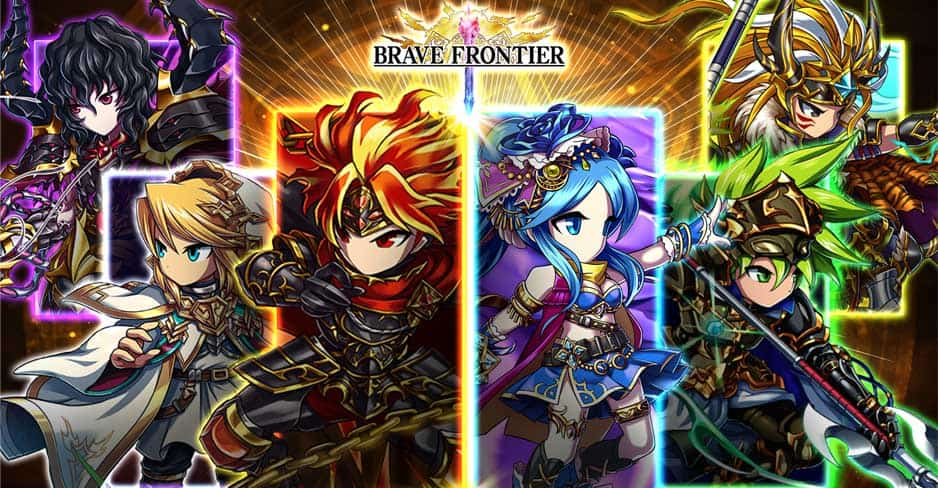 Brave Frontier
My first exposure to a gacha game was Brave Frontier in 2014 which has now shutdown. It was a mobile game, featuring chibi style art, where players collected characters, formed parties to tackle quests and complete the storyline or competed with other players in a battle arena.
A party is a group of characters adventuring together in a role-playing game
In Brave Frontier, while there were ways that characters could be summoned without using real world currency, the rarest and most powerful characters needed to be summoned in exchange for gems (in-game currency) which could only be bought with real-world currency. I remember I had around $30 leftover in my apple wallet because of apple gift cards that I had gotten for my birthday. Since there was nothing else I wanted to spend it on, I dipped my toes for the first time into the gacha system.
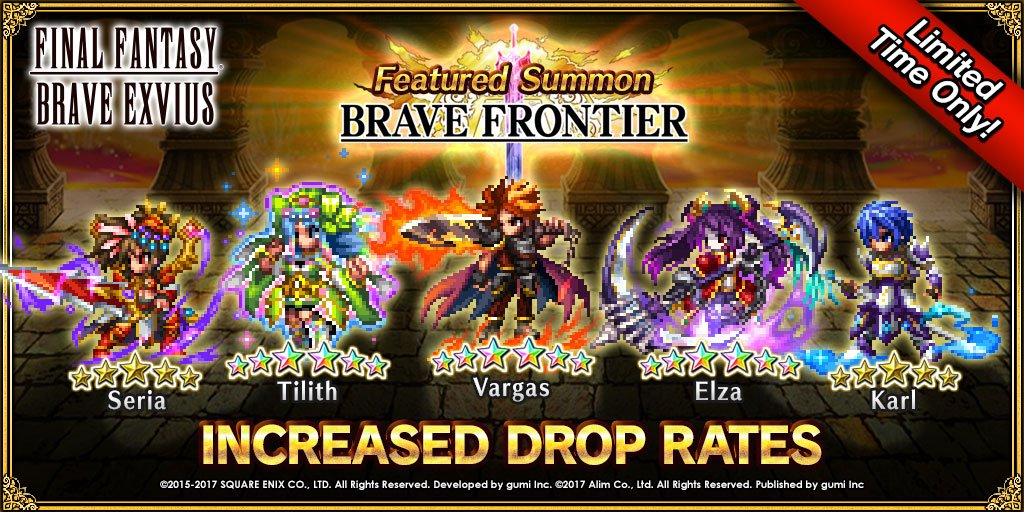 Summon Event Banner
Like in most gacha games, there were always ongoing events, which featured limited time quests and playable content as well as limited edition characters and increased chances for certain character summons. Events prey on the common desire to take advantage of limited time opportunities and were an added layer of novelty to the games.
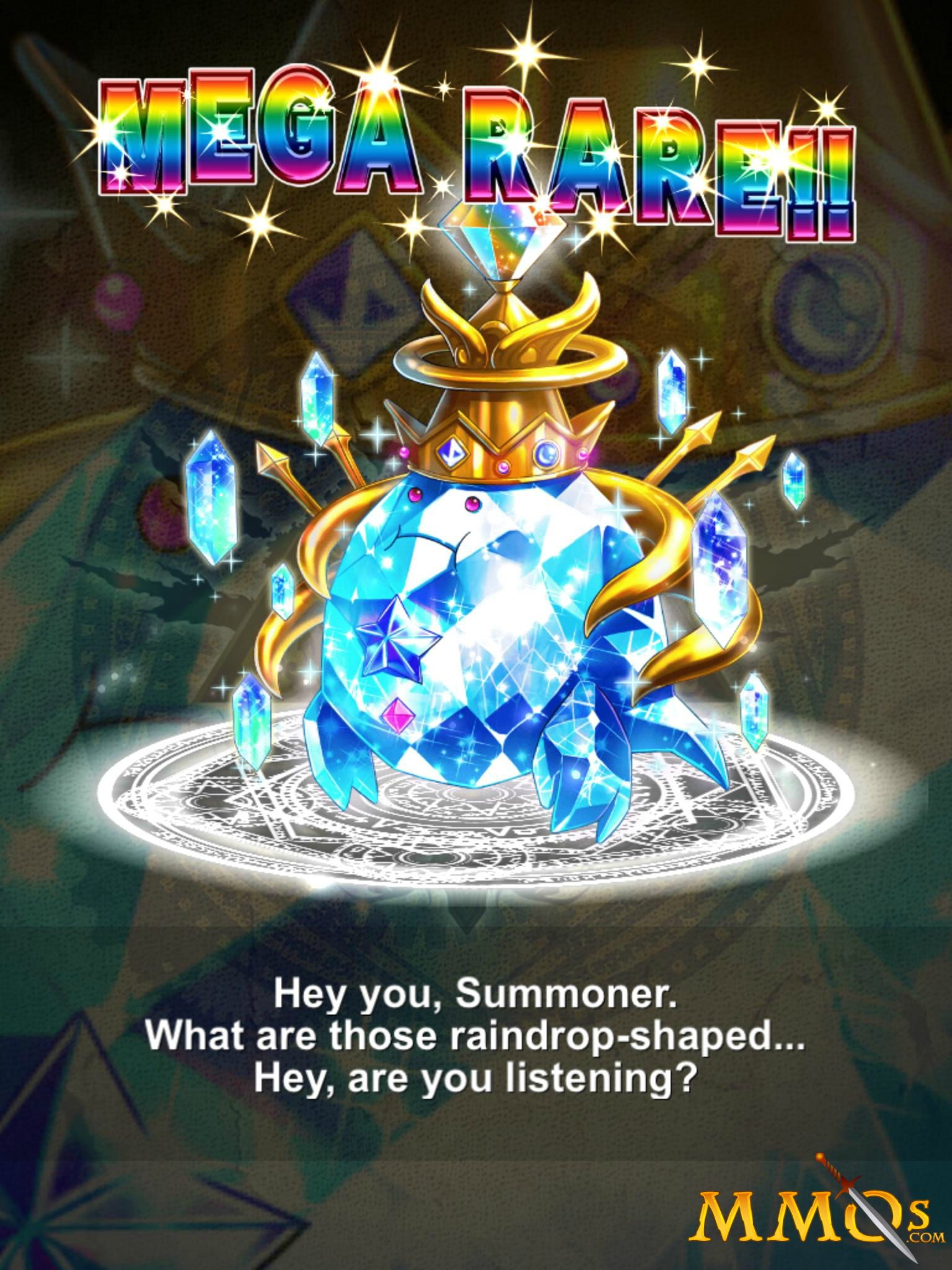 Mega Rare Summon
At the time, there was an ongoing event as well, so I was excited to try and get one of the characters in the event. I also remember getting really excited by the way that the game would make the experience of summoning really thrilling by making rare summons look really flashy. At the end of the day, I had summoned some new powerful characters I could add to my party and exhausted my meager funds. I didn’t continue playing Brave Frontier, but that’s probably a good thing given how deep the gacha hole goes.
The community of gacha gamers
Growing up, I’ve always been a fan of anime and manga, and kept up with the communities through anime YouTubers like Gigguk. While gacha gamers had their own community, there was a lot of cross-over between these communities, especially because many gacha games went a step further than Brave Frontier in terms of art style, offering full blown anime style character art. This arguably pushed humanity forward light years by enabling gamers everywhere to roll for their waifus.
Waifu is a term for a female fictional character, usually in anime or related media, that someone has great, and sometimes romantic, affection for. Husbando refers to the male equivalent. Reference
Gacha games like Fate/Grand Order became notorious for having fans that would pour their life savings into the game to obtain their waifu which essentially amounted to buying a PNG. These fans became known as whales, paying truly exorbitant amounts of money such as a man who allegedly spent $70,000 on Fate/Grand Order , becoming the butt of many jokes within the community and the wider anime community sphere. These whales form a significant portion of the revenue of gacha games given that the vast majority of the player base remains free-to-play.
The free-to-play game model refers to games which allow significant portions of their game content to be played without charging the player money.
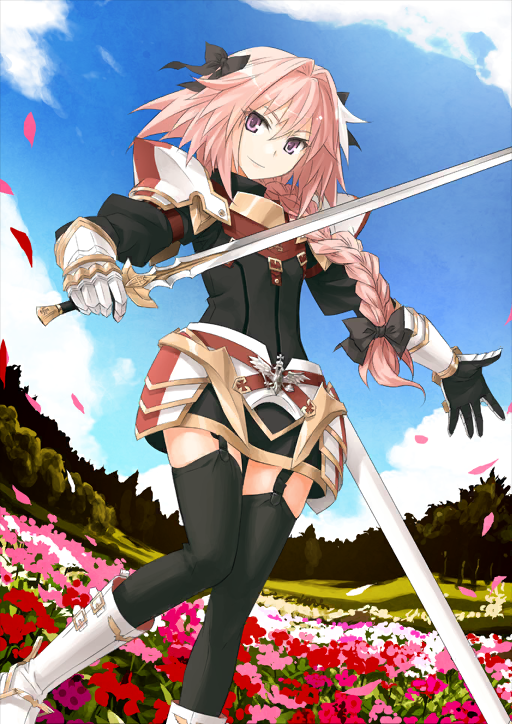 Astolfo
Videos like Gigguk’s I Spent $1000 Buying Waifus in Gacha Games explored what it’s like being a gacha gamer and I won’t lie, I had a good laugh seeing how deep down the gacha hole Gigguk went, spending $400 trying to get one character. But, the ending sequence of the video where Gigguk attempts to roll for Astolfo has an uncanny resemblence to my experiences later in this article so I wonder who’s really the last one laughing now.
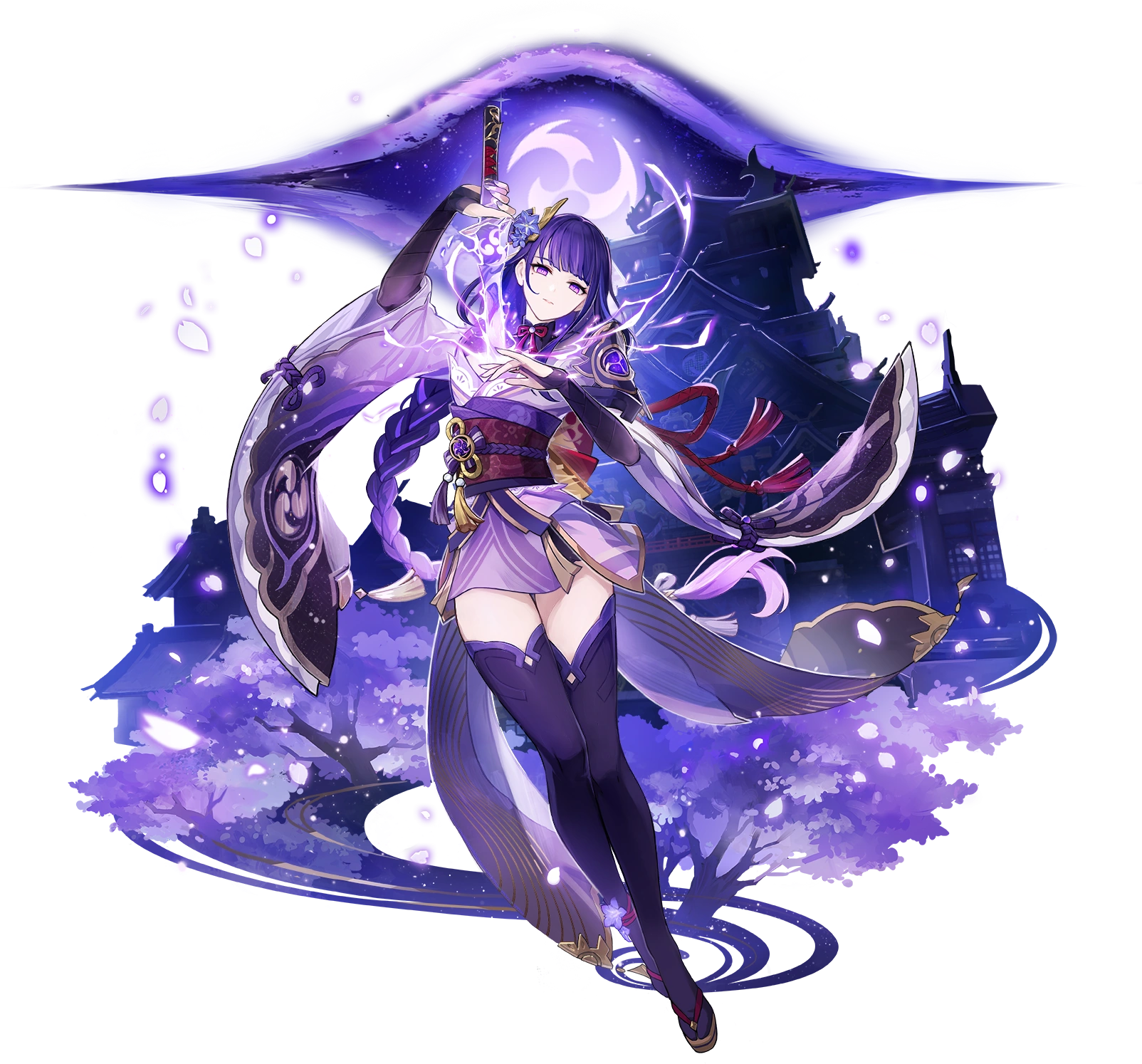 Raiden Shogun 2nd in the popularity rankings
It would be a shame not to mention one of the most prevalent gacha games: Genshin Impact. While most gacha games have linear story progression with some event-based limited quests, Genshin Impact is known for its revolutionary expansive world, allowing players to play the game in their own way, whether that be exploring the world, completing quests or rolling for waifus like Raiden Shogun. Unfortunately, I’m not one for open world games like Genshin and so I haven’t given it a try yet. I prefer more traditional games like Mahjong instead.
I sacrificed my soul to the Gacha Gods
Innocent beginnings
During COVID, I lacked a lot of opportunities to catch up with my friends but I did make one steady commitment. One of my friends, Julian, asked if I wanted to try Mahjong and while I would usually brush off trying to play a game as complex as Mahjong, I decided to humour him. So in early 2021 when the world was still reeling from the lockdowns during COVID, we began to play Mahjong. Julian had moved interstate a few years before and so, we needed to play online, finding Mahjong Soul, a platform to play Mahjong on. What initially started as a one-off mahjong session turned into a weekly ritual of catching up to play Mahjong and to talk about random things.
Now, you may be wondering: What does Mahjong have to do with gacha games?
Mahjong Soul featured a wide cast of waifus and husbandos that you could play as and different cosmetics to customize the way your tiles and board looked. So beneath the fascade of an innocent mahjong game, was secretly a gambling ring of waifus all along. Well, mahjong is about gambling too but I never played mahjong with real money!
We played almost every week during 2021 and I did not spend a cent on Mahjong Soul nor did I roll for any waifus. It was simply a game which I enjoyed with my friend for free.
Dark clouds upon the horizon
I continued playing Mahjong Soul on and off after I moved to the same city as Julian, but since we lived in the same city, we preferred to hang out in person instead of playing online. Mahjong Soul, like most gacha games, had ongoing events and while I would occasionally check the events, they didn’t interest me much.
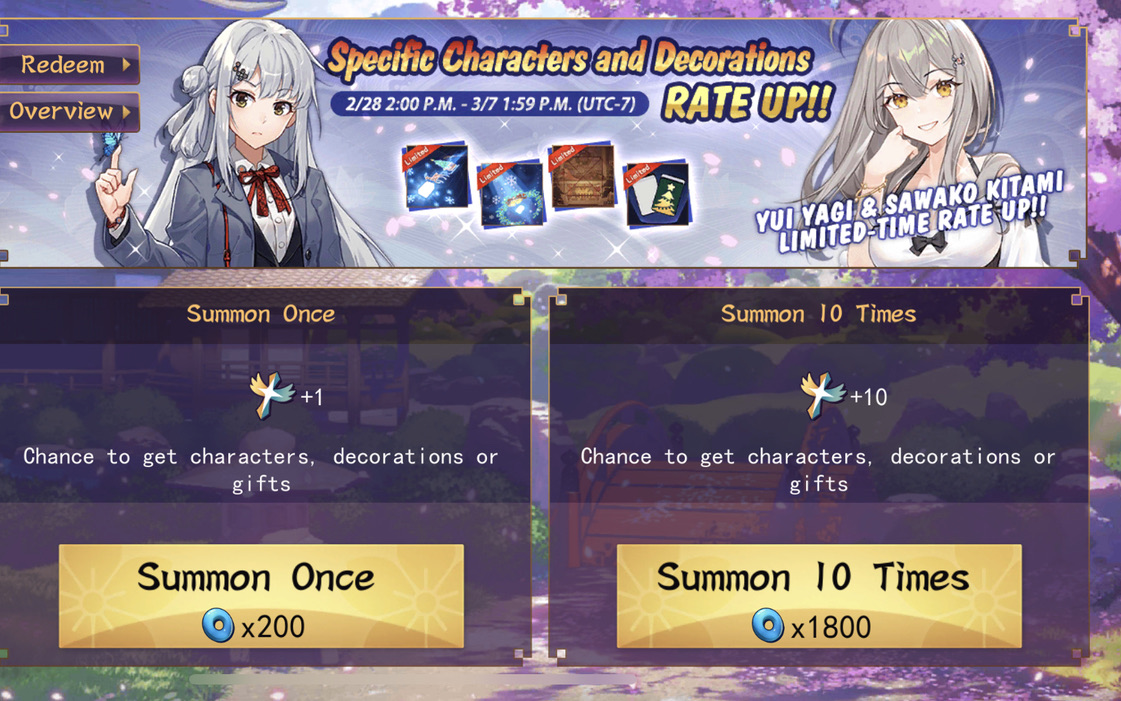 Dark clouds
One day, I looked and saw that the current event was offering higher summoning chances for Yui Yagi, the waifu that I thought was by far the most aesthetically appealing. At the time, it was just an inkling in the back of my head. I looked at what the increased summoning chances were and it was a 50% chance of getting one of the two characters featured in the event, given that I summoned a character at all. I wasn’t suddenly overcome with the urge to empty my wallet but, a seed had been planted and there were dark clouds covering the skies.
Stormy heavens
One night when I had nothing to do, I decided to play some Mahjong Soul. But this time, I felt like rolling a few times to see if I could get Yui. I mean it couldn’t hurt right? So, I decided to break down my chances:
- 5% chance of pulling a character
- 50% chance of pulling either Yui Yagi or Sawako Kitami if I successfully pulled a character
- And so there was a 50% chance I got Yui Yagi if I successfully pulled either Yui or Sawako.
- In other words, 1.25% chance of pulling Yui on each roll
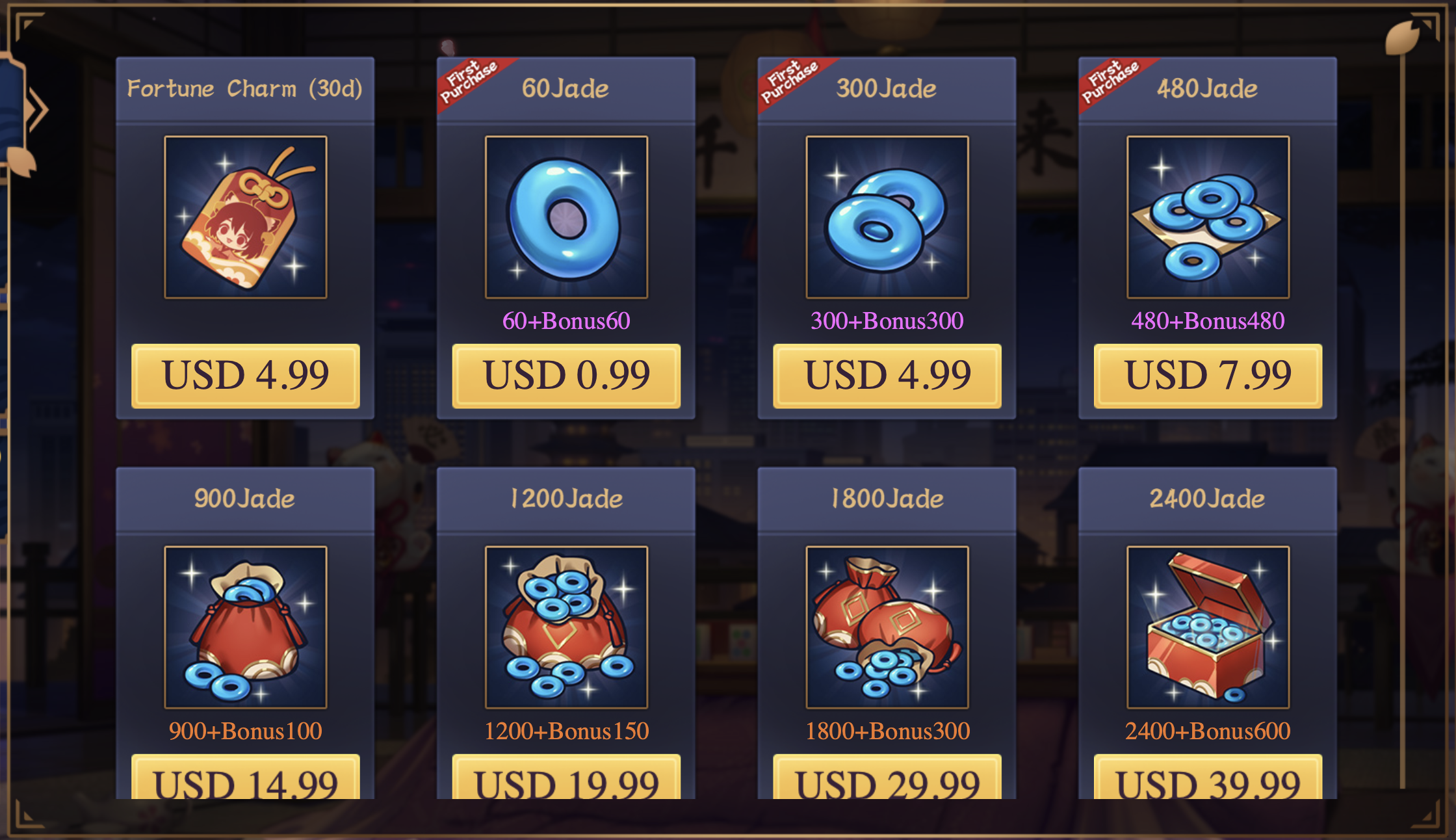 Purchasing larger currency quantities give bigger bonuses
I started off with spending $20 USD which gave me about 20 rolls. I plugged it into the calculator and it was grim. I had a 22.24% chance of rolling Yui. I rolled the dice and as expected, I didn’t get Yui. But that was ok. We were just here to have fun and see what we got, right? And so, I purchased another $40 worth of rolls. Now it might be worth mentioning that there are different costs for in game currency depending on the quantity you purchase. The more currency you purchase in one go, the more bonus currency you get, and for the first time you purchase each set of currency, you get double. So, I decided to finish this session quickly by purchasing more rolls up front.
And.
I.
Got.
NOTHING.
Ok that’s unfair. I got two characters who I didn’t particularly like and a bunch of other cosmetic items. But, the point is that I didn’t get what I came for. Now this is where, after painstaking deliberation and debate, I decided to look at the costume store because, of course, not only could players spend exorbitant amounts of money for a CHANCE of pulling the character of their dreams, the game allowed us the privilege of paying even more money for dressing up our character. Luckily, dresses were directly purchasable so I didn’t have to go through the arduous process of praying for a dress as well. Tangents aside, I saw something that I should have never laid eyes upon:
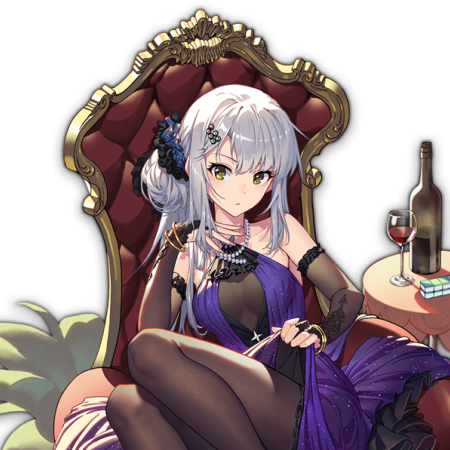 Moonlight Waltz Yui Yagi
The Moonlight Waltz dress for Yui Yagi. A dress so gorgeous that I knew that my virtuous heart would not be denied. From that moment, my motivation had redoubled. I laid down another $60 USD ($100 AUD), bringing my total losses to around $200 AUD. But, I was determined to decisively finish off this session with one last hurrah. Now this brought my total number of rolls to 80, which was a 71.57% chance of getting what I came for.
And so, I rolled. I rolled, I rolled and I ROLLED SOME MORE. What little faith I had for a higher power may have died that day because I STILL DIDN’T GET YUI YAGI. I sunk $200 AUD and got nothing??? I could never allow myself to walk away from such irredeemable shame without Yui Yagi in hand.
Now some naysayers might say that this is the “Sunk Cost Fallacy”.
Sunk Cost Fallacy: The phenomenon whereby a person is reluctant to abandon a strategy or course of action because they have invested heavily in it, even when it is clear that abandonment would be more beneficial. (Oxford Dictionary)
And they would probably be right. But I was in too deep. Fortunately, heaven always leaves a path forward. Every roll of the dice, every step upon this path and every failure that led to who I was in that moment added +1 to a special kind of currency that would allow me to redeem Yui outright. All I had to do was roll 70 more times, a total of 150 rolls.
Crossing the Rubicon
In Act 3 of Shakespeare’s legendary Macbeth, the titular character, Macbeth, laments that he is “in blood. Stepped in so far that, should I wade no more, Returning were as tedious as go o’er. (3.4.142–144)”. This suggests that there was no path left for him except onwards because Macbeth had already walked so far down his treacherous path that to turn back now would be as costly as continuing. This mirrors Socrates’ words in the climax of the first major arc of Virtuous Sons when he sealed Polyzalus’ fate: “The only way out for you is through. Nothing remains of you in the Scarlet City. No one is waiting for you there.” I had no waifus in my back pocket. If I stopped here, I would have nothing to return to. Nothing but salt and ash.
As he stepped into the River Rubicon, Caesar declared, “Jacta Alea Est.”, which is Latin for, “Let the die be cast”. The act of crossing the Rubicon symbolised the point of no return for Caesar because he had defied the authority of the Senate and was intent on carving out his own authority into the Roman Republic. The phrase “crossing the rubicon” has since referred to the act of committing to a high stakes decision where the risks and rewards were extreme. I knew deep within myself, that this was my rubicon and I had reached the point of no return. Steeling myself with the wisdom of my forebearers, I prepared to whale like never before.

I poured another $50 USD down the drain, another 20 rolls. Every purchase now was more costly than the last because I had already redeemed the easy bonuses early on. And so I pulled. And I kept on pulling.
 THIS IS TO GO EVEN FURTHER BEYOND
“MY WALLET IS MADE OF UNLIMITED MONEY,” I exclaimed, panting as sweat accumulated on my brow. Each roll held a tight grip over my heart. The mixture of anxiety and anticipation threatening to overwhelm me. I prayed to the gacha gods, desperately hoping that they would bless me with good RNG.
My confidence began to falter after 100 rolls with nothing to show for it. It was finally at roll 130 out of 150 that I resigned myself to my cursed fate. Despite all my hardship and sacrifice, the gacha gods were not smiling upon me this day. I would have to accept my bad luck and redeem Yui outright. And so, I paid the final check, pulling me down to $400 AUD invested in this doomed venture.
In my final hour, on my 148th roll, I pulled Yui Yagi. At last. The clouds parted above and I could see the light. The gacha gods opened up the gates of heaven and smiled upon me. I finally had her.
 Yui Yagi
Yui had finally come to grace my homescreen in Mahjong Soul. Finally, to cement my glorious victory and my place amongst heaven and earth, I spent another $20 AUD to acquire the Moonlight Waltz dress.
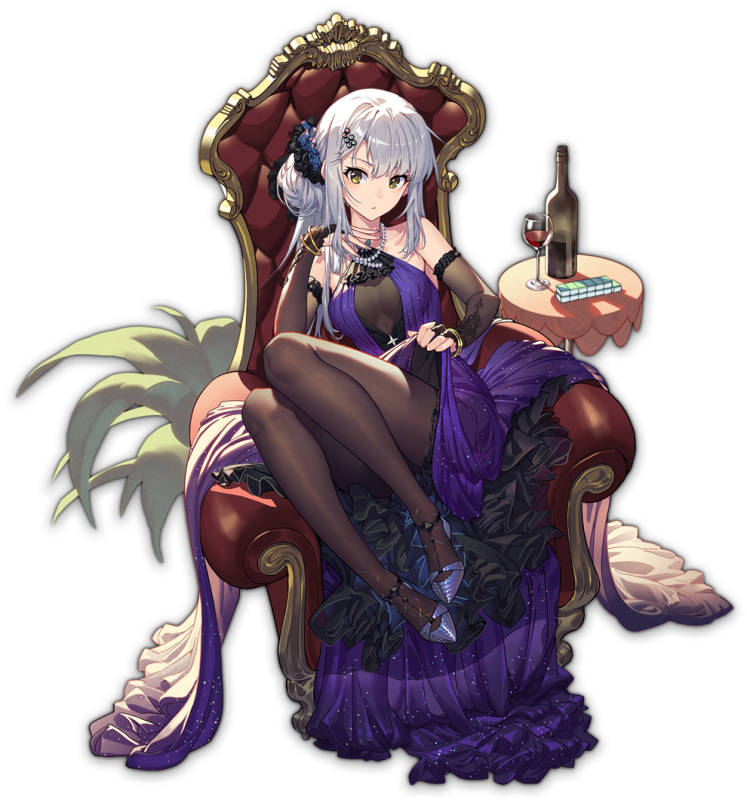
Bringing my total expenditure to $420 AUD and my emotional damage to unbelievable heights.
All I can say is:
Worth every cent.